Always On, Always Watching: Is the 24/7 Entertainment Machine Running Out of Steam?
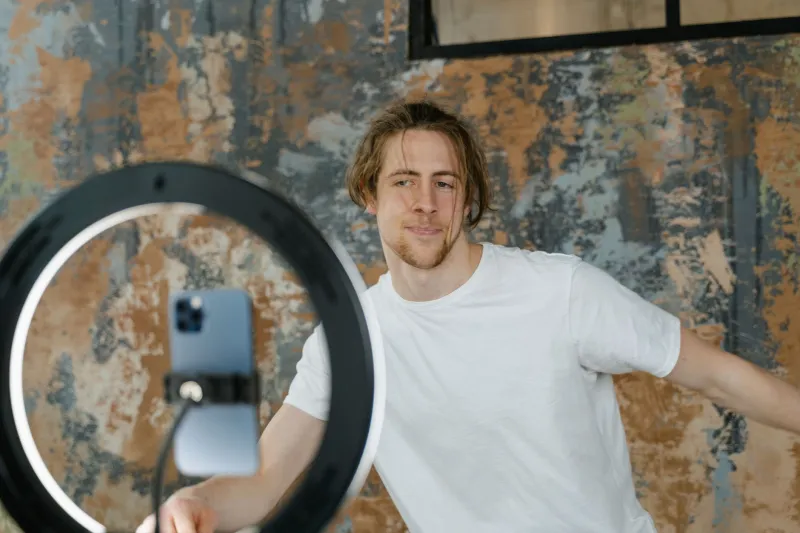
Somewhere around midnight on a Tuesday, someone is live-streaming. Somewhere else, a podcast drops its third episode of the week. A musician is posting studio updates at 1 a.m. because that's when their analytics say their audience is most active. A comedian is refreshing their notifications, calculating whether the joke they posted an hour ago is performing well enough to justify the next one.
This is entertainment in 2025. It doesn't clock out.
And I want to ask — honestly, without a tidy answer — whether that's actually working for anyone anymore.
How We Got Here
The always-on entertainment culture didn't happen overnight. It was a slow accumulation of technological shifts and audience expectation creep that built on itself until "constant availability" stopped feeling like a feature and started feeling like a requirement.
Streaming blew up the appointment-television model. Suddenly you could watch anything, anytime, and binge an entire season in a weekend. That convenience was genuinely liberating — but it also rewired how we think about content availability. If it's not there when we want it, we feel the absence.
Social media poured gasoline on all of it. Platforms built around infinite scroll and real-time updates created an ecosystem where creators who go quiet — even for a few days — can feel like they're disappearing. The algorithm doesn't reward rest. It rewards consistency, frequency, and presence.
And then live content arrived as the next frontier. Twitch, Instagram Live, TikTok LIVE, YouTube streams — real-time connection with audiences became both a creative opportunity and another expectation to manage. Miss a week of streams and your viewers drift. Go live consistently and you're competing with every other creator doing the same thing at the same hour.
The result is an entertainment landscape that technically never ends. There's always something to watch, someone going live, a new upload waiting. It's extraordinary. It's also, quietly, exhausting.
The Pressure on Creators Is Real — and It's Getting Worse
Let's talk about the human cost of this, because it tends to get glossed over in conversations about content strategy and platform growth.
Creators — whether they're independent streamers, signed musicians, comedians building a following, or performers managing their personal brand — are operating under a visibility pressure that has no real off switch. The logic goes: if you're not posting, someone else is. If you're not live, your audience is watching somebody who is. If you take a break, the algorithm deprioritizes you, and climbing back takes twice the effort.
That's not a creative environment. That's a treadmill.
We've seen high-profile burnout stories across every corner of entertainment — YouTubers stepping back, musicians taking extended hiatuses, streamers going dark after years of daily content. And while the mainstream narrative often frames these as individual struggles, they're actually symptoms of a structural problem. The always-on model was designed to maximize platform engagement, not protect the people generating the content.
Here's an uncomfortable truth: the creators most celebrated for their output are often the ones most at risk. The streamer who goes live seven days a week. The artist dropping content every other day. The performer who's always available, always responsive, always on. The machine rewards them — until it doesn't.
Are Audiences Actually Keeping Up?
Here's where the opinion gets spicy: I'm not convinced audiences are as always-on as the platforms need them to be.
Yes, we have more content consumption than ever. Yes, people are watching more hours of video, listening to more podcasts, and engaging with more creators than at any previous point in history. The numbers are real.
But there's a difference between consumption and connection. And I'd argue that the sheer volume of available content is actually making genuine connection harder, not easier.
When a creator posts three times a day, does each post matter as much? When there are 47 things fighting for your attention on a given Tuesday morning, how deeply are you actually engaging with any of them? Scarcity creates value — that's not a new idea, but it's one the always-on model fundamentally rejects.
There are early signals that audiences are starting to push back, even if they're not framing it that way. The growing appetite for "slow content" — long-form podcasts, documentary series, newsletter-based creators who publish weekly rather than daily — suggests that some portion of the audience is actively seeking depth over volume. They want something to sit with, not something to scroll past.
The question is whether that's a meaningful trend or just a vocal minority.
What Sustainability Actually Looks Like
I don't think the always-on model disappears. The infrastructure is too entrenched, the platform incentives too powerful, and honestly — some creators genuinely thrive in high-frequency environments. Not everyone burns out. Some people are built for it.
But I do think we're approaching a recalibration. And for performers and creators thinking about their long game, that recalibration is worth taking seriously.
The creators who will be standing in five years aren't necessarily the ones who posted the most. They're the ones who figured out a pace they could sustain, who built audiences that valued quality over quantity, and who treated their creative output as something worth protecting — not something to burn through chasing daily metrics.
There's something to be said for making people wait a little. For a drop that matters because it doesn't happen every Tuesday. For a live stream that's an event rather than a routine.
At Catalina LTG, "always on" isn't just a content schedule — it's a commitment to being present in a way that actually means something. That's different from being everywhere all the time. Presence with purpose beats constant noise every single time.
The Verdict (For Now)
Is the 24/7 entertainment machine running out of steam? Not entirely. But it's showing its age.
The creators, performers, and audiences who figure out how to work within the always-on culture — rather than being consumed by it — are the ones who'll define what entertainment looks like on the other side of this moment.
The rest of us? We'll probably keep doomscrolling at midnight, watching someone go live, wondering if we're missing something.
Spoiler: we're not.