More Than a Monthly Sub: The Invisible Labor Your Fans Are Pouring Into Your Career
There's a version of the creator economy story that gets told constantly — the one about monetization strategies, subscription tiers, merch drops, and brand deals. It's a clean narrative. Creator makes content, audience pays, everyone wins.
But there's another version happening underneath that one, quieter and a lot more complicated. It's the story of what fans are giving that never shows up in a revenue dashboard.
Because for a lot of devoted fans, the financial contribution is almost the easy part.
The Donation Nobody Talks About
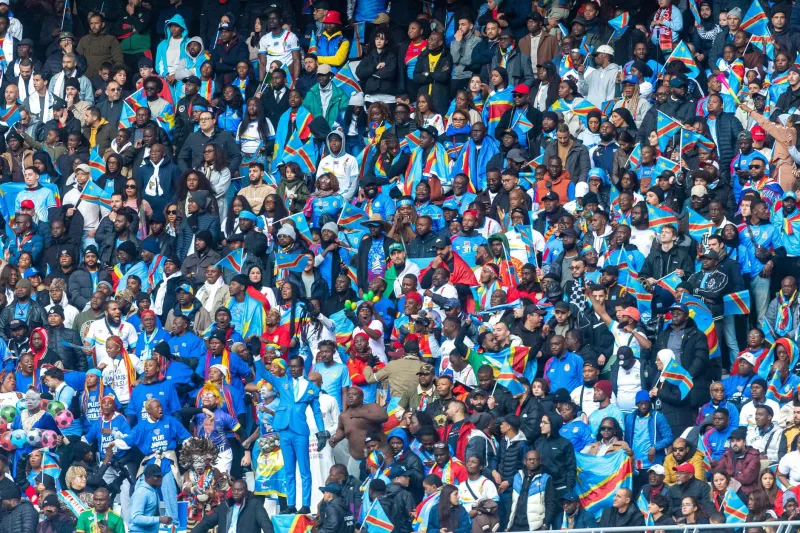
Think about what a truly engaged fan actually does. They don't just watch — they work. They clip and repost your best moments. They write up thread breakdowns of your latest project. They argue with strangers in comment sections on your behalf. They create fan art, write fan fiction, compile highlight reels, run fan accounts with tens of thousands of followers, and show up to moderate your Discord at 2 a.m. on a Tuesday.
None of that shows up on a Patreon ledger. None of it gets a W-2. But all of it — every single piece — has real, measurable value to a creator's career.
Social media algorithms reward engagement volume. Word-of-mouth still drives discovery more than most paid campaigns ever will. Community-generated content fills gaps that even the most prolific creators can't keep up with. Fans, whether they realize it or not, are functioning as an unpaid marketing department, a creative team, and a customer service buffer all at once.
So what does that actually mean for the people they're supporting?
When Community Becomes a Resource
Here's where it gets uncomfortable. Most creators genuinely love their communities. That part isn't in question. But love and exploitation aren't always mutually exclusive, and the line between "building something together" and "benefiting from someone else's unpaid effort" can get blurry fast.
Take the fan who spends forty hours designing a creator's merch concept, posts it publicly, and watches a very similar design show up in the official store six months later with no credit and no compensation. Or the community moderators who keep a creator's spaces safe and welcoming — sometimes logging more hours than a part-time job — for nothing more than a special Discord role and the occasional shoutout.
Or consider the emotional labor side of this. Fans who function as hype crews during a creator's hard seasons, who flood comment sections with encouragement after a rough video, who organize support campaigns when someone gets unfairly dragged online. That kind of sustained emotional investment takes something out of people. It's not infinite. And most creators never stop to ask whether they're drawing on it responsibly.
The question isn't whether this dynamic exists. It clearly does, across virtually every corner of entertainment and creator culture. The real question is whether anyone has an obligation to acknowledge it.
What Do You Actually Owe Your Ride-or-Dies?
This is where opinions genuinely split.
One school of thought says fans choose this. Nobody's forcing anyone to run a fan account or spend their weekend making edit compilations. Participation is voluntary, the content is free to consume, and the emotional reward — connection, community, a sense of belonging — is something fans get back in exchange. That's a legitimate trade.
The other school of thought pushes back hard. It argues that creators actively cultivate this behavior. They encourage it. They build parasocial closeness specifically because it converts casual viewers into deeply invested ones. When you tell your audience "you guys are literally family" or "I wouldn't be here without this community," you're not just being warm — you're reinforcing a bond that makes people want to give more. More time. More energy. More creative output. More social capital spent defending you to people who've never heard of you.
If you're deliberately fostering that level of investment, there's at least an argument that you've taken on some responsibility for how you treat the people who respond to it.
The Creators Getting This Right
Some entertainers have started figuring out more intentional ways to handle the exchange. Crediting fan creators publicly and consistently. Paying community moderators — actually paying them — instead of treating volunteer labor as a given. Building feedback loops where fan ideas are genuinely considered rather than quietly strip-mined. Creating official channels that let fans contribute creatively with clear terms about how that work might be used.
None of this is a perfect system. But it signals something important: an awareness that the relationship isn't just transactional in one direction.
The creators who seem to retain the deepest, most durable loyalty aren't always the ones with the biggest budgets or the slickest production. They're often the ones who make their most invested fans feel seen as contributors rather than just consumers. That distinction matters more than most people in the industry want to admit.
The Sustainability Problem
Here's the part that doesn't get enough airtime: fan labor burns out.
The moderator who gave two years to a community and quietly disappeared. The fan account runner who posted daily for three years and then just... stopped. The person who used to write long, thoughtful responses to every community post and now barely lurks. These aren't anomalies. They're a pattern.
When the non-monetary investment stops feeling reciprocal — when fans sense that their time and energy are being absorbed without acknowledgment — the well runs dry. And unlike a subscription that can be renewed, that kind of burned-out devotion is extremely hard to win back.
For creators thinking long-term about their careers, this is a sustainability issue as much as anything else. Communities built on invisible labor have a shelf life. The ones built on genuine mutual investment tend to last a lot longer.
So What's the Move?
Nobody's saying creators need to compensate every fan who ever made a piece of art or wrote a kind comment. That's not realistic, and it's not what most fans are looking for anyway.
What they're usually looking for is recognition. Honesty about the dynamic. Some acknowledgment that the relationship isn't purely one-directional, even when the monetary flow only goes one way.
That might look like crediting community work publicly. It might look like having a real conversation with your audience about what they're investing and what you're able to give back. It might just look like stopping to ask, occasionally, whether the people who show up hardest for you are okay.
The parasocial economy is real, it's massive, and it's not going anywhere. But the creators who treat it as a resource to extract from will eventually find themselves with very little left to draw on. The ones who treat it as a relationship worth tending? They tend to be the ones still standing ten years from now.