The Silence Between the Posts: Why Creators Who Never Clock Out Are Burning Out Faster Than Ever
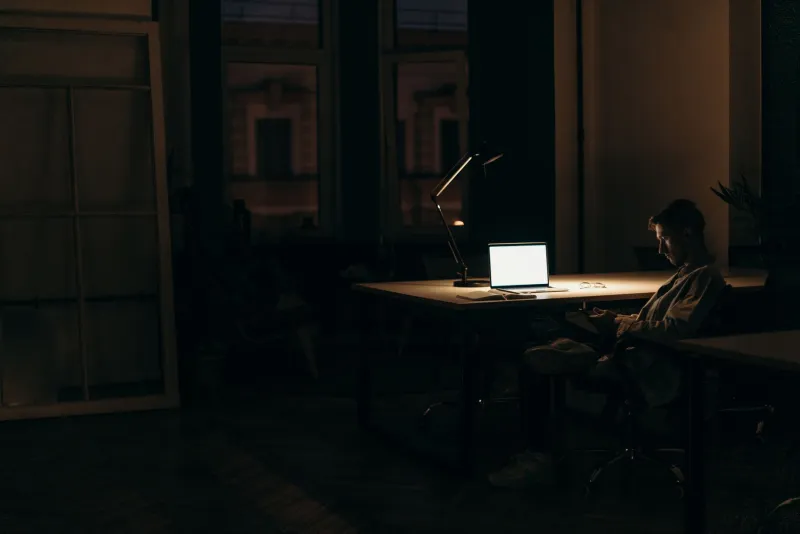
There's a version of content creation that nobody really talks about in the highlight reels. It's 11:47 PM on a Tuesday, you haven't eaten a real meal since breakfast, and you're re-recording a 45-second clip for the sixteenth time because the energy still doesn't feel right. Not wrong, exactly — just not the version of yourself that your audience expects. The version that's always a little brighter, a little funnier, a little more pulled together than you actually are on a random Tuesday night.
That gap — between the person you are and the persona you perform — is where burnout lives. And right now, it's eating creators alive.
The Performance That Never Gets an Intermission
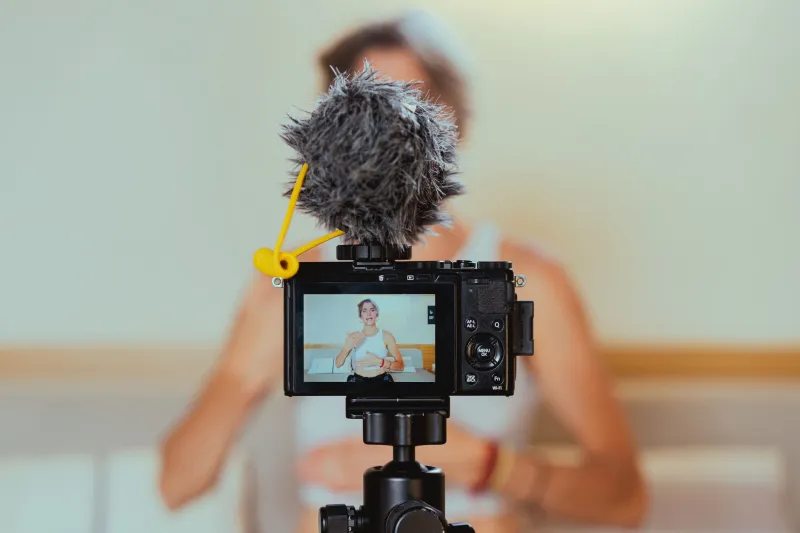
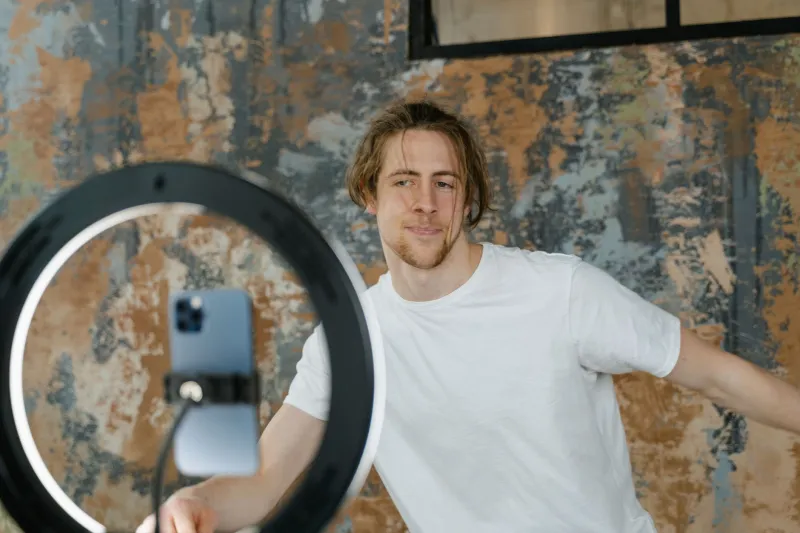
In traditional entertainment, there's a curtain. A performer steps out, delivers the goods, steps back behind it. The audience doesn't follow them into the dressing room. But in the creator economy, that curtain barely exists anymore. Instagram Stories, TikTok Lives, behind-the-scenes vlogs, Discord servers, Patreon updates — the expectation isn't just that you create content. It's that you are the content, constantly and consistently, across every platform and in every format.
That's not a creative career. That's a lifestyle sentence.
Marcus, a lifestyle creator based in Atlanta with close to 400,000 followers across platforms, described it this way: "I was posting every day, going Live three times a week, responding to DMs, doing collabs — and I genuinely couldn't tell you what I actually liked anymore. I was just feeding the machine. My therapist asked me what I did for fun and I literally blanked."
He's not alone. The pattern shows up again and again among creators who've been in the game long enough to feel its weight. What starts as passion — a genuine desire to connect, to entertain, to share something real — slowly morphs into obligation. And obligation, sustained long enough without relief, becomes resentment.
Why the 'Just Take a Break' Advice Doesn't Cut It
Here's where most conversations about creator burnout go sideways: the solution gets oversimplified. Just log off for a week. Take a mental health day. Set boundaries. And look, none of that is wrong, exactly. But it misses the actual structural problem.
For most creators, the anxiety of stepping back isn't just about losing views or followers — though that fear is real and valid. It's about the deeply conditioned belief that visibility equals relevance, and that relevance is the only thing standing between you and irrelevance. In a landscape where the algorithm rewards consistency above almost everything else, taking real time off can feel less like self-care and more like professional suicide.
Jamila, a beauty and wellness creator from Chicago who took a three-week hiatus last year after what she describes as "a full-system crash," put it bluntly: "I knew I needed to stop. But I also knew that every day I was gone, someone else was posting. Someone else was showing up. And the audience doesn't really wait for you — they just find someone who's there."
She came back, for the record. And her audience came with her. But the fear of that three-week gap nearly kept her from taking the break that, by her own admission, saved her creative life.
Building Real Downtime Into a Public Career — Without Disappearing
So what does sustainable actually look like for someone whose livelihood depends on showing up? A few creators who've navigated this successfully have landed on some strategies that go deeper than "post less."
Separate the person from the persona — on purpose. This sounds abstract, but it's practical. Decide, consciously, which parts of your life are content and which parts aren't. Not everything has to be documented. Not every experience needs to be shared. Creating intentional zones of privacy — even if your audience never knows they exist — gives you psychological breathing room.
Batch and schedule like your sanity depends on it. Because it does. Creators who front-load their content production — filming and editing multiple pieces in a single focused session — free up entire stretches of time that feel genuinely off-duty. The content goes out; you're at the farmer's market or watching a movie or just sitting quietly. The audience sees consistency. You get rest.
Let the behind-the-scenes breathe, not perform. There's a difference between authentic glimpses into your real life and manufacturing a "real life" for content. One restores you. The other drains you just as much as the polished stuff, maybe more, because it colonizes the spaces that were supposed to be yours.
Marcus eventually settled on a five-days-on, two-days-completely-off rhythm that he protects aggressively. "Those two days aren't content days. They're not even 'inspiration gathering' days. They're just mine. And honestly, I create better now than I ever did when I was posting every single day."
The Audience Doesn't Need You to Disappear — They Need You to Last
Here's the reframe that seems to actually help: your audience isn't just invested in today's post. They're invested in you — the ongoing, evolving, multi-year version of you that keeps showing up and keeps growing. Burning out at 28 doesn't serve them. Grinding yourself into the ground and walking away entirely doesn't serve them.
The creators who build lasting careers — the ones who are still relevant five and ten years in — aren't the ones who posted every single day without exception. They're the ones who figured out how to make the work sustainable. Who understood that rest isn't the enemy of momentum; it's the thing that makes momentum possible.
There's something worth saying in the silence between the posts. Not every quiet moment needs to be filled. Sometimes the most powerful thing a creator can do is absolutely nothing — and then come back to the work actually ready to do it.