You Don't Owe Them Your Diary: Drawing the Line Between Fan Love and Personal Invasion
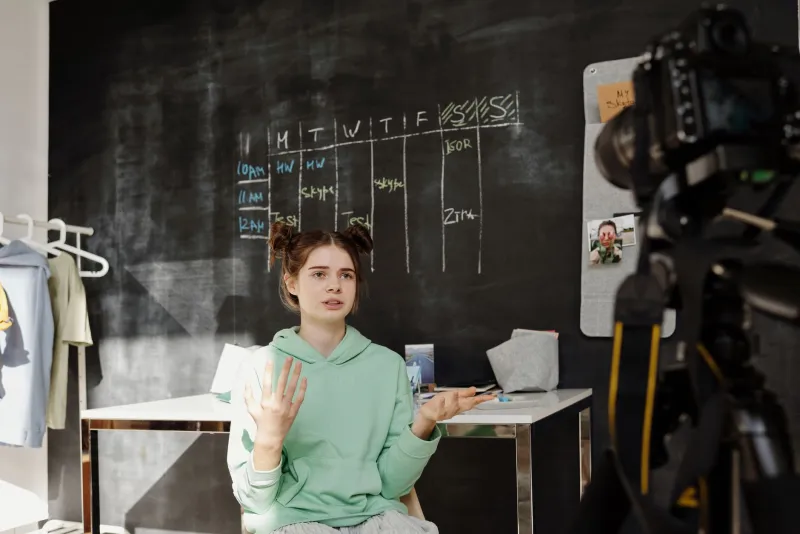
There's a moment most creators can pinpoint — not always dramatic, sometimes just a slow creep — when the relationship with their audience shifts. What started as genuine connection starts feeling like an open-door policy nobody agreed to. Suddenly, fans aren't just watching your content. They're waiting for updates on your breakup, your health scare, your family drama. And if you don't deliver, they let you know.
Welcome to the parasocial paywall — the invisible toll booth where audiences start treating emotional access like a subscription benefit they already paid for.
The Intimacy Spiral Nobody Warns You About
It usually starts innocently enough. You share something real — maybe a tough week, a vulnerable moment, a peek behind the curtain — and the response is overwhelming. The comments go off. The shares spike. Your numbers move. So you do it again. And again. And before long, that vulnerability becomes an expectation rather than a choice.
This is the intimacy spiral, and it's one of the quieter traps in the creator economy. Audiences are wired to reward authenticity. Platforms are built to amplify it. But neither the audience nor the algorithm cares what it costs you personally to keep delivering it.
What fans often don't realize — and what creators sometimes forget to protect — is that there's a real human being behind the content. Sharing pieces of your life is a creative decision. It's not a contract.
Why Fans Feel Like They've Earned It
Here's the part that makes this complicated: from a fan's perspective, the entitlement often doesn't feel like entitlement. It feels like loyalty.
They've watched every video. Bought the merch. Defended you in comment sections. Shown up for live streams at weird hours. In their minds, that investment — emotional, financial, or both — creates a kind of informal agreement. They gave you their time and money, so shouldn't they get the real you in return?
This is the core tension of parasocial relationships in the modern creator space. The connection feels mutual even when it structurally isn't. Fans experience a sense of knowing you, of being in your corner, that's genuine on their end — even if you've never had a single real conversation.
And when creators pull back or set limits, that can feel, to a dedicated fan, like betrayal. Like you took their loyalty and then locked the door.
Understanding that dynamic doesn't mean giving in to it. But it does mean handling it with some care.
The Monetization Trap
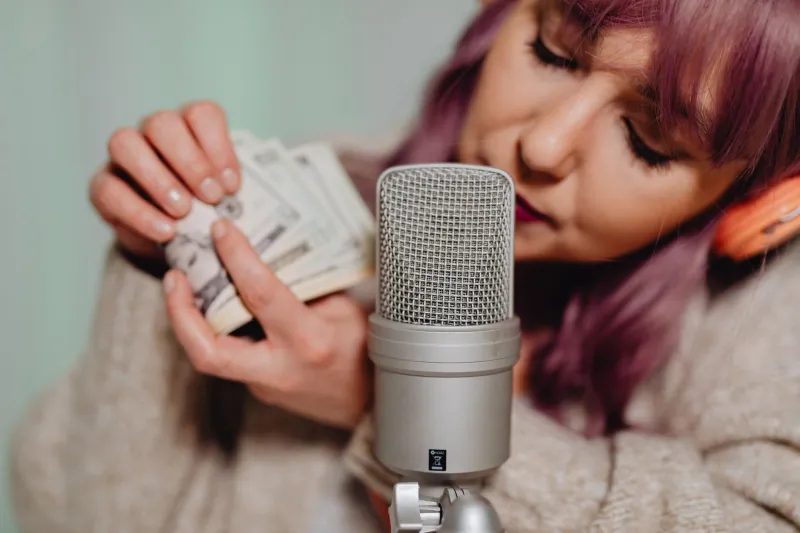
The creator economy has added another layer to this whole mess: platforms that literally incentivize you to sell access to your private life.
Subscription tiers promising "exclusive behind-the-scenes content." Patreon perks that reward higher pledges with more personal access. Close Friends lists. Discord servers with inner-circle channels. These tools aren't inherently bad — but they can quietly pressure creators into commodifying intimacy in ways that feel sustainable on paper and unsustainable in practice.
When your revenue model depends on making fans feel like insiders, the line between content strategy and oversharing gets blurry fast. And once you've monetized a level of access, rolling it back becomes a business problem on top of a personal one.
Some creators find themselves sharing things they're not ready to share — not because they want to, but because they've built an audience that expects it and a revenue stream that depends on it. That's a rough place to be.
Holding the Line Without Burning It Down
So what does sustainable boundary-setting actually look like when your livelihood is tied to audience engagement? A few things worth considering:
Be proactive, not reactive. The worst time to establish a boundary is after you've already crossed it. If you know certain topics are off-limits — your relationships, your family, your mental health — say so early and often. Not defensively, just matter-of-factly. "That's not something I share publicly" is a complete sentence.
Separate the persona from the person. A lot of successful creators are intentional about what version of themselves lives online. Your public-facing self can be warm, open, and engaging without being fully exposed. Think of it less as hiding and more as editing. You're a creator — curation is literally your skill set.
Redirect without dismissing. When fans push for access you're not willing to give, you don't have to get defensive or go silent. Acknowledge the connection, then steer toward what you are sharing. Fans who feel seen are less likely to feel cheated.
Audit your own content habits. Sometimes creators overshare not because of audience pressure but out of habit or the dopamine hit of a strong response. It's worth asking yourself regularly: am I sharing this because I want to, or because I've trained myself to chase that engagement spike?
Let go of the guilt. This one's harder than it sounds. Creators — especially those who've built their brand on authenticity — often feel genuinely guilty about withholding. But protecting your private life isn't a betrayal of your audience. It's a prerequisite for staying in the game long-term.
The Audience That Actually Respects You
Here's something that gets lost in the noise: the fans worth keeping are usually the ones who respect your limits.
The loudest voices demanding more access aren't always the most loyal. Sometimes they're the most entitled — and those aren't the same thing. A fanbase built on sustainable, healthy engagement is more valuable over time than one trained to expect unlimited access and prone to resentment when they don't get it.
Creators who hold their ground — who are warm and engaged but clear about where the line is — often find that their audience respects them more for it, not less. There's something compelling about someone who knows their own worth.
You can love your audience and still have a private life. You can be grateful for the support and still say no. Those things aren't in conflict — they just require you to be intentional about where one ends and the other begins.
Your story is yours. Share what you want, protect what you need, and don't let the algorithm — or the comment section — write that boundary for you.