Confessional Culture: What Happens When Your Fanbase Becomes Your Therapist
There's a moment you've probably seen play out a hundred times. A creator — someone you follow, someone you genuinely like — posts a video or goes live and just... unloads. The breakup. The diagnosis. The mental health spiral. The family member they lost. And within minutes, the comments flood in. We love you. We're here. You're not alone.
It's moving, honestly. And also a little complicated.
Because somewhere between authentic connection and content strategy, a strange new dynamic has taken root in the entertainment space. Fans are increasingly being cast — sometimes consciously, sometimes not — in the role of emotional first responders. And while everyone involved usually means well, the psychological math of that arrangement doesn't always add up.
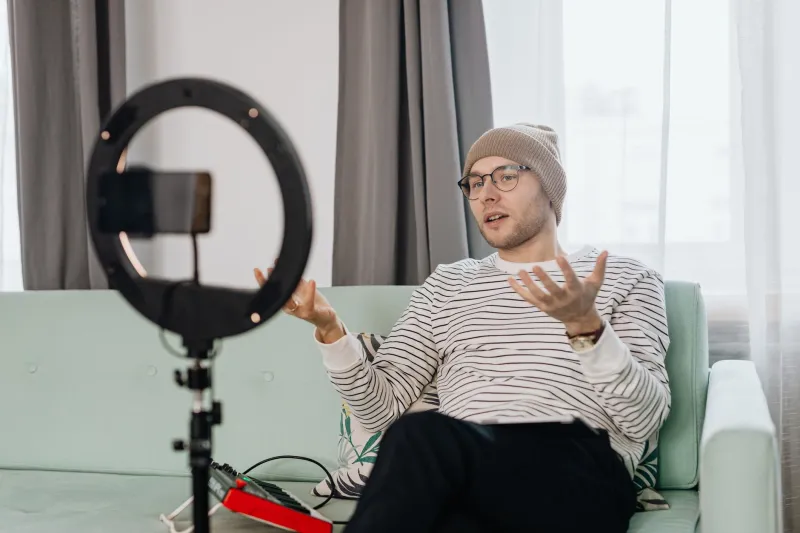
The New Confessional Booth Is a Ring Light
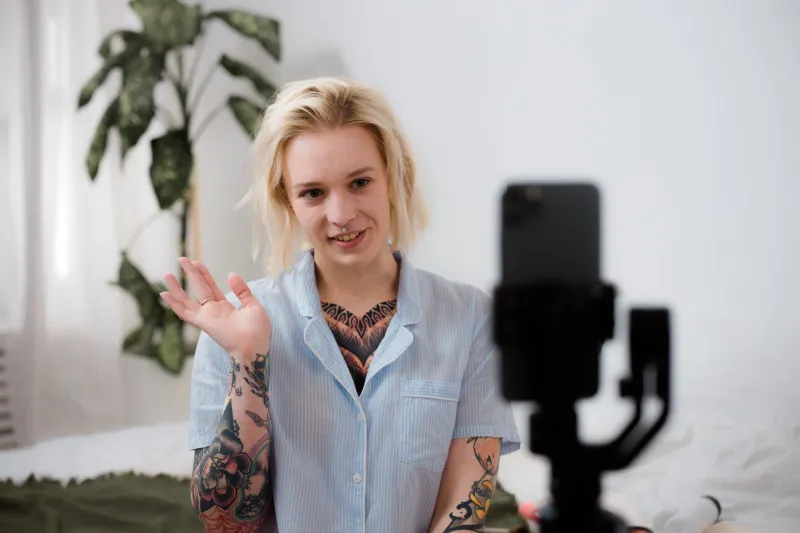
Vulnerability in entertainment isn't new. Celebrities have always sold pieces of their private lives — that's basically the whole deal. But what's changed is the directness of it. There's no publicist buffering the message, no interview format shaping the narrative. It's just a person, a camera, and an audience of thousands waiting to react in real time.
Social media made intimacy scalable, and creators figured out fast that emotional honesty drives engagement like almost nothing else. When someone shares something raw and real, the algorithm rewards it. Comments spike. Shares go up. New followers arrive because someone screenshot the caption and it hit different at 2 a.m.
So the incentive structure quietly trains creators to go deeper, share more, and blur the line between "being open" and "performing openness." Not because they're cynical — a lot of them aren't — but because the platform literally rewards that behavior. Vulnerability becomes a content category.
What Fans Think They're Signing Up For
Here's the thing about fandoms: people genuinely want to show up for the creators they care about. That impulse is real and it's not nothing. When a fan types I'm so sorry, I've been through this too under a creator's trauma post, they mean it. That's a human being extending actual compassion.
But there's a difference between offering support and being structurally positioned as someone's emotional infrastructure. Fans aren't therapists. They don't have clinical training, they don't know the full context, and — crucially — they have their own stuff going on. When a creator with a million followers processes their anxiety publicly, a percentage of those viewers are also struggling. They came for entertainment or community, and they're now holding someone else's pain on top of their own.
That's a lot to ask of someone who just wanted to watch a haul video.
And yet the relationship is framed as mutual. You guys are my people. I can tell you anything. Which is sweet, but it's also not quite accurate. The creator is sharing. The audience is receiving. That's not a two-way therapeutic relationship — it's a broadcast with comment access.
When Authenticity Starts Paying Rent
The thorniest part of all this is the monetization layer. Creators who share their hardest moments often see their Patreon numbers climb. Merch sells. Brand deals come in because the audience is deeply loyal, emotionally invested, and therefore more likely to actually buy something.
None of that is inherently wrong. Creators deserve to make a living, and emotional resonance is a legitimate part of building an audience. But it does create a situation where a creator's suffering — whether they intend it or not — becomes a revenue event. And once that pattern is established, it's hard to unlearn.
There's also a subtler version of this: the creator who shares vulnerability not for money but for validation. For the flood of supportive comments that makes a bad day feel survivable. Which, again, is human. But when you're sourcing your emotional regulation from an audience, you're essentially outsourcing your mental health to a crowd that has no accountability, no consistency, and no ability to actually help you get better.
The comments section is not a treatment plan.
The Toll on Both Sides
Creators who go deep publicly often report feeling more isolated, not less. The audience knows the highlight reel of your pain — the parts you chose to share, shaped into a story. But they don't know the Tuesday afternoon version of you, the one that's not camera-ready, the one that's just tired. That gap between the vulnerable persona and the private reality can feel enormous over time.
And on the fan side? Parasocial relationships, by their nature, are uneven. Fans invest emotionally in people who don't know they exist. When a creator they've "supported through so much" suddenly seems fine, or pivots their content, or — worst case — turns out to be someone different than the person they presented, it can feel like a genuine betrayal. Even though, technically, they were watching a performance. A sincere one, maybe, but a performance.
That's the paradox sitting at the center of all this. The more real it feels, the higher the stakes when something disrupts the illusion.
What Actually Sustainable Looks Like
None of this means creators should go back to being untouchable. The era of curated celebrity distance is over and nobody's crying about it. Audiences want to feel something, want to connect with people who seem like actual humans. That's not going away.
But there's a version of openness that doesn't require an audience to carry you. Creators who seem to navigate this well tend to share after they've processed — not in the middle of the spiral. They're honest about their lives without making fans feel responsible for their emotional state. They distinguish between "letting people in" and "needing people to hold them up."
It's a subtle difference, but it's the difference between connection and dependency. Between a creator who's genuinely building community and one who's accidentally turned their comment section into a crisis hotline.
The best entertainers — the ones who last — figure out how to be real without making their audience do the emotional labor. That's not a wall. That's just knowing where the stage ends and the actual life begins.
And honestly? That boundary protects everyone.