Your Fans Are Out Here Doing Your PR for Free — Here's Why That Actually Works
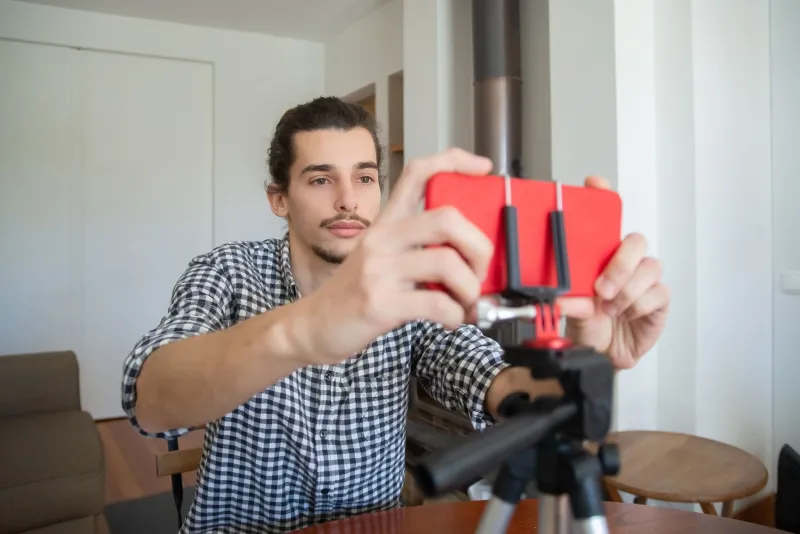
Let's be real for a second. Some of the most powerful marketing happening on the internet right now isn't coming from a brand deal or a media agency. It's coming from a 22-year-old in Columbus, Ohio, who just clipped a moment from a livestream and posted it everywhere because they felt something.
That's the parasocial payoff — and if you're a creator who hasn't fully thought through what that means for your career, you're leaving a lot on the table.
What Parasocial Actually Means (And Why It's Not a Dirty Word)
The term "parasocial" gets thrown around like it's something to be suspicious of. And sure, when it goes sideways, it can get weird fast. But at its core, a parasocial relationship is just a one-sided emotional bond that feels real to the person experiencing it. Fans feel like they know you, even if you've never met. They root for you. They defend you in comment sections. They tell their friends.
Psychologists have studied this dynamic for decades, originally in the context of TV personalities and radio hosts. The difference now? The feedback loop is instant. Creators respond to DMs, go live, read comments out loud — and suddenly that one-sided relationship starts feeling a lot more mutual. That's where the magic happens, and honestly, that's where careers get built.
The Word-of-Mouth Economy Is Alive and Thriving
Traditional advertising is expensive and, more importantly, people are exhausted by it. Studies from Nielsen consistently show that consumers trust recommendations from people they know — or feel like they know — far more than any paid placement. Creators who've tapped into that truth aren't just building audiences; they're building unpaid street teams.
Take the rise of mid-size creators — folks with anywhere from 50K to 500K followers — who are quietly generating full-time incomes without a single major brand sponsorship. Their secret isn't some algorithm hack. It's that their community genuinely believes in them. When they drop a new project, their fans don't just watch it. They share it, quote it, stitch it, and make their own content about it. The creator becomes a cultural reference point within their niche.
That kind of organic amplification is something no ad budget can fully replicate.
Case Study: The Comment Section as a Community Center
One pattern you see over and over again with creators who've successfully monetized genuine loyalty is that they treat their comment sections like a neighborhood block party, not a broadcast channel. They're not just dropping content and disappearing. They're showing up, responding, remembering names, referencing inside jokes that only longtime followers would catch.
This isn't accidental. It's a strategy — but here's the thing, it only works if it's authentic. Audiences in 2024 have finely tuned radar for performative engagement. If you're responding to comments just to game the algorithm, people feel it. But when a creator genuinely gives a damn, the community mirrors that energy back tenfold.
Some creators have taken this further by building Discord servers, Patreon tiers, or even just dedicated Instagram Close Friends groups that give core fans a sense of access and exclusivity. That sense of belonging? It converts. People who feel like insiders become evangelists.
The Ethical Line You Can't Afford to Cross
Here's where it gets complicated, and it's worth being honest about.
There's a version of parasocial marketing that slips into manipulation. When creators deliberately manufacture emotional intimacy — oversharing personal struggles, simulating friendships they don't actually feel, leaning into vulnerability as a calculated tactic rather than a genuine one — they're essentially borrowing trust they haven't earned. And audiences, eventually, figure it out.
The ethical line isn't always obvious, but a useful gut check is this: would you be comfortable if your most loyal fan knew exactly what was going through your head when you made that "personal" post? If the answer is no, you're probably operating in exploitation territory.
The creators who build careers that actually last — the ones who are still relevant five or ten years in — are the ones whose fans feel respected, not managed. That means being honest about what's a business decision, not hiding the commercial reality of your work behind a veil of faux-friendship.
How to Build Real Community Without Burning Trust
So what does sustainable, ethical parasocial marketing actually look like in practice? A few things stand out.
Show up consistently, but don't perform constantly. There's a difference between being present and being on. Audiences can tell when you're genuinely engaging versus when you're clocking in for content. Give them the real version more often.
Let your fans have ownership over something. Whether that's naming something, voting on a direction, or contributing to a project — giving your community a genuine stake in what you're building turns passive viewers into active participants. They're not just watching your story anymore; they're part of it.
Acknowledge the relationship honestly. Some of the most respected creators in the space have had direct conversations with their audiences about what parasocial connections are and how they work. That kind of transparency doesn't break the magic — it actually deepens trust.
Don't mistake loyalty for unconditional support. Fan communities can turn fast, especially when they feel used or misled. Treat the relationship with the same care you'd give any important partnership in your life.
The Bottom Line
The parasocial payoff is real, and it's one of the most powerful forces in modern entertainment. But it's not a cheat code — it's a responsibility. The creators who are genuinely winning right now aren't the ones with the slickest marketing funnels. They're the ones whose fans would honestly miss them if they disappeared.
That kind of connection doesn't come from a media kit. It comes from showing up as a real person, consistently, over time. Build that, and your community will do the rest.