Intimacy Is the Product: How Creators Turn Emotional Closeness Into Cold Hard Cash

Here's something worth sitting with for a second: fans will pay more for a $30 signed print from a creator they've watched for two years than they would for a $200 piece of art from someone they've never heard of. The product isn't really the print. It's the relationship. Or at least, the feeling of one.
That's not cynical — it's just how human psychology works. And the creators who are genuinely thriving right now, not just going viral but actually building sustainable income, have figured out how to work with that psychology instead of against it.
Why Closeness Opens Wallets
Researchers have a name for the one-sided emotional bond audiences form with public figures: parasocial relationships. You know the person. They don't know you. But your brain doesn't always make that distinction cleanly, especially after you've spent hundreds of hours watching someone cook, rant, cry, laugh, and share their half-finished thoughts on camera.
When that sense of closeness builds up, spending behavior shifts in some pretty significant ways. Fans start buying not just because they want the thing being sold, but because purchasing feels like participation. Like being part of something. Like showing up for someone who — in their mind — has shown up for them.
Merchandise becomes a badge. A Patreon subscription becomes a seat at the table. A course purchase becomes a vote of confidence. The transaction stops being purely transactional.
And here's the kicker: the more personal a creator seems, the higher that spending threshold tends to go.
The Calculated Vulnerability Playbook
Not every creator stumbles into this dynamic by accident. Some of them — the ones with the biggest numbers and the most loyal audiences — have gotten genuinely good at engineering it.
The move isn't to overshare everything. It's to share strategically. To give fans the feeling of access without giving away the whole store.
Think about how this plays out in practice. A creator might talk openly about a rough patch they went through — a creative block, a breakup, a moment of self-doubt — but frame it in the past tense, with resolution built in. It feels vulnerable. It feels real. But it's also controlled. The mess has already been cleaned up before the audience sees it.
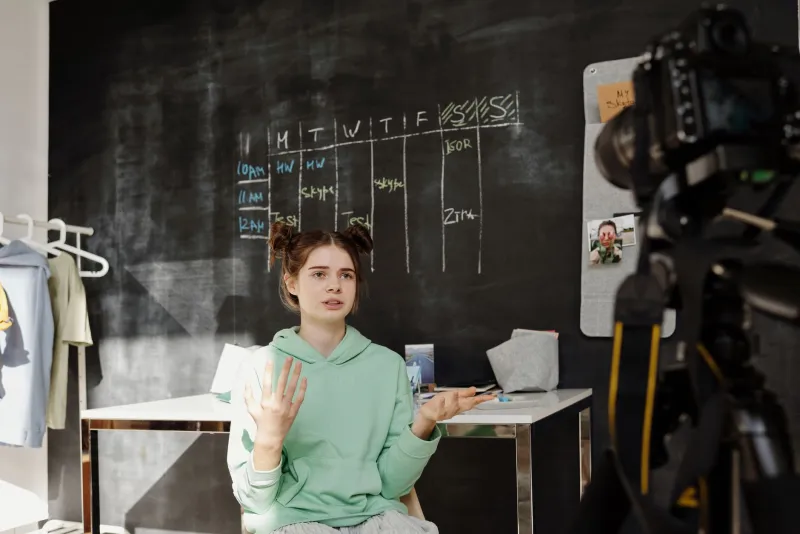
Or consider the "behind the scenes" format that's basically a staple of creator content at this point. A look at the workspace. A peek at the process. A casual, unscripted-feeling moment that still somehow made it into the edit. It signals: I'm letting you in. Whether or not that's entirely true is almost beside the point — the feeling is what registers.
This isn't necessarily manipulation. A lot of creators do this intuitively, and the connection they're building is genuine on both sides. But it's worth naming what's happening, because the line between authentic warmth and calculated performance is thinner than most people want to admit.
The Distance That Makes It Work
Here's the counterintuitive part: the creators who maintain the strongest fan spending over time aren't actually the most available ones. They're the ones who feel accessible while remaining just out of reach.
Complete accessibility kills the mystique. If a fan can get everything they want for free, there's no reason to pay for more. If a creator responds to every comment, answers every DM, and puts everything on the free tier, they've essentially removed the economic incentive for deeper investment.
The magic is in the gap. The free content creates connection. The paid tier closes the distance — or appears to. And as long as there's always a little more to get closer to, the audience keeps spending.
Some creators do this through tiered memberships, where each level promises something slightly more intimate than the last. Others do it through limited drops, where scarcity creates urgency. Some just let their natural privacy do the work — they share enough to feel knowable, but there's always a sense that you're not quite seeing the whole picture.
Strategically distant. Warmly inaccessible. It sounds contradictory, but it's one of the most reliable formulas in creator economics.
When It Crosses the Line
The thing that separates smart intimacy-building from exploitation is whether the creator is actually delivering something of value — or just simulating closeness as a pure extraction mechanism.
Audiences are perceptive. Maybe not in the moment, but over time. Fans can usually tell when the vulnerability is real versus when it's being performed purely for engagement. They can feel when a creator genuinely cares about the community versus when they're just running the numbers.
Creators who lean too hard on emotional manipulation — manufacturing crises, faking relatability, selling parasocial closeness without any real substance underneath — tend to see a specific kind of backlash. It's not just that people stop buying. It's that they feel used. And that feeling is loud. It spreads.
The most durable version of this model is one where the emotional connection is real, even if it's also strategically managed. Where the creator actually likes their audience, actually appreciates the support, and is building something that delivers genuine value on top of the feeling of closeness.
That combination — real warmth, smart structure — is what turns a one-time buyer into a long-term supporter.
What This Means for Anyone Building an Audience
If you're a creator, the takeaway here isn't "manipulate your fans into spending money." It's more like: understand what's actually driving the economics of your audience, and build intentionally around it.
Be genuinely yourself — but understand that not everything needs to go on camera. Let people feel close to you — but recognize that some distance is what makes closeness feel special. Build paid offerings that feel like deeper access — but make sure the access is real.
The parasocial paywall works best when both sides are getting something out of it. Fans get the feeling of connection, the community, the content. Creators get sustainable income and an audience that actually gives a damn.
That's not a bad deal. It's actually kind of a beautiful one — as long as nobody's faking the whole thing.