Therapy Session or Fan Interaction? The Emotional Economy Nobody's Talking About

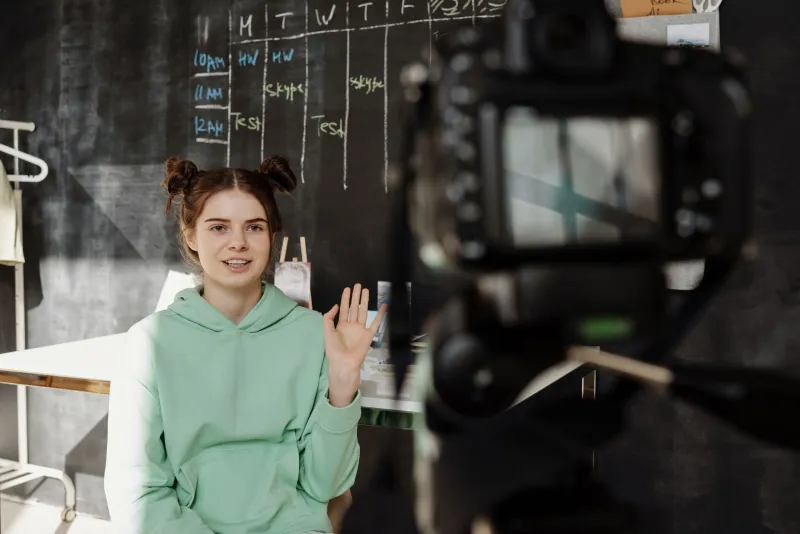
Let's be real for a second. When your favorite creator hops on a livestream at midnight, voice cracking, talking about how hard the last few weeks have been — you feel something. Maybe you type something in the chat. Maybe you send a Super Chat. Maybe you just sit there and feel like you're with them, even though you're alone in your apartment eating cereal at 12:30 AM.
That feeling? It's not fake. But it's also not exactly what it looks like.
Welcome to the parasocial paycheck — the invisible economy where creators cash in on emotional intimacy, and fans foot the bill without ever seeing a receipt.
What Is Emotional Labor, and Why Does It Matter Here?
Emotional labor is a term that gets thrown around a lot, but in this context it's pretty specific. When a fan spends mental and emotional energy worrying about a creator's wellbeing, crafting the perfect supportive comment, or feeling genuine grief when a creator announces they're stepping back — that's labor. It costs something. It takes up space in your brain and your heart.
The thing is, therapists get paid for that. Friends operate on reciprocity. But fans? Fans do it voluntarily, often joyfully, with no expectation of return.
And creators — even the well-meaning ones — have figured out, consciously or not, that vulnerability is a currency that converts.
The Intimacy-to-Income Pipeline
Here's how it usually goes. A creator starts sharing more personal content. Maybe it's relationship struggles, mental health updates, family drama, or just the raw, unfiltered version of their day. Engagement spikes. Comments flood in. The algorithm rewards it. Subscriptions tick up.
So they share a little more. And a little more after that.
At some point, the audience has been let in so deep that they feel genuinely invested. Not in the content — in the person. And that investment translates directly into money. Memberships, Patreon tiers, merch drops, brand deals that fans support because they want their creator to succeed.
None of that is inherently wrong. Connection is real. Community is valuable. But the structure of the relationship is wildly lopsided, and most people on both sides of the screen haven't sat down to examine it.
The Fan's Side of the Equation
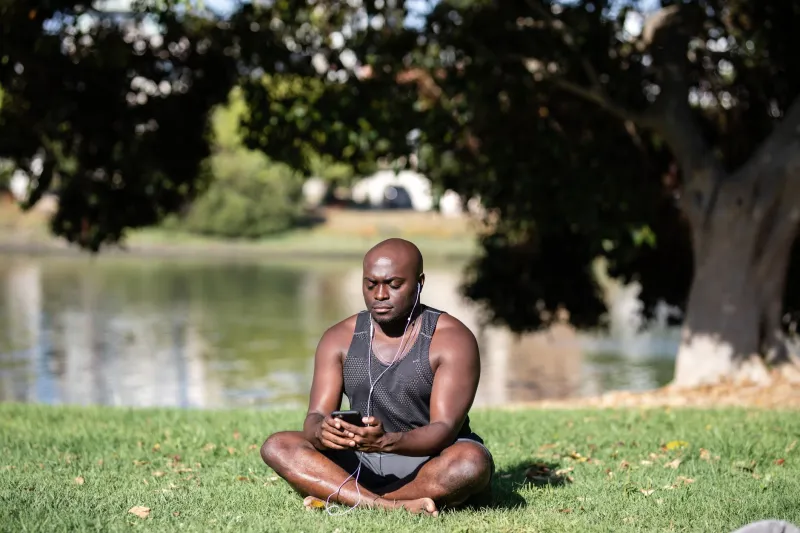
For fans, the draw is obvious. Parasocial relationships scratch a very human itch. They offer the sensation of closeness without the messiness of actual intimacy. You get to care about someone, root for them, feel like you know them — and you never have to be vulnerable yourself.
But here's where it gets complicated. Research in psychology — including work from places like the American Psychological Association — consistently shows that parasocial relationships can activate the same emotional systems as real ones. When a creator you love has a breakdown, your nervous system doesn't know the difference between that and a close friend calling you crying.
You process it. You carry it. You might even lose sleep over it.
And then the creator posts a sponsored video for a meal kit delivery service and the cycle starts over.
The Creator's Burden Nobody Talks About
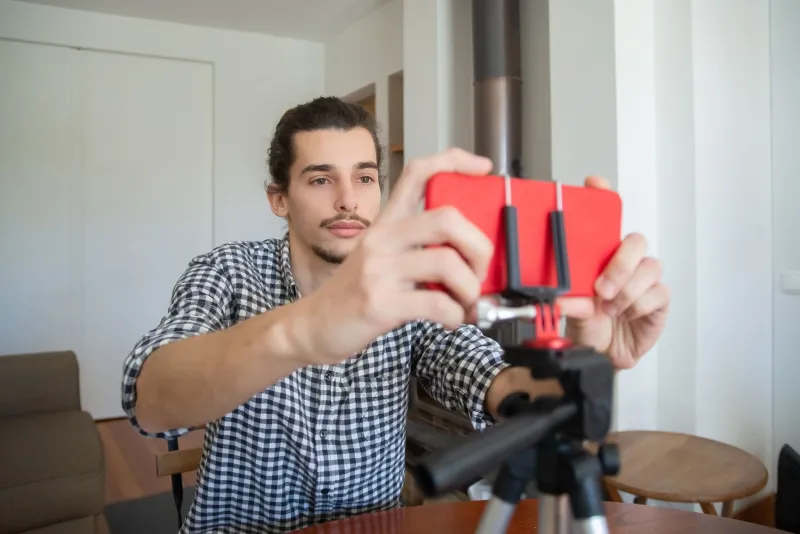
Let's not pretend creators are all manipulative masterminds, though. Most of them didn't sit down one day and decide to emotionally exploit their fanbase. They're people who found that being honest resonated, and they kept being honest because it worked and because it felt good to be seen.
But the pressure that creates is enormous. When your audience has come to expect emotional access, pulling back feels like a betrayal. Creators who try to set boundaries — who stop sharing every low moment, who step back from the confessional content — often face real backlash. Fans feel abandoned. Engagement drops. The algorithm punishes the silence.
So creators stay in the performance. They keep sharing. They keep being the thing their audience needs them to be, even when they're running on empty.
That's not a fan-creator relationship anymore. That's a job with no benefits and no HR department.
Is Any of This Sustainable?
Short answer: probably not at the current scale.
The creators who seem to be navigating this best are the ones who've found ways to build genuine community without centering their own emotional fragility as the main product. They share, but they set limits. They're real, but they're not raw in ways that cost them their stability.
For fans, the shift is about awareness. You can care about a creator without taking on their pain as your own. You can support someone's work without becoming emotionally responsible for their wellbeing. That distinction — between appreciation and enmeshment — is one worth sitting with.
The parasocial economy isn't going anywhere. Intimacy sells, and it probably always will. But the healthiest version of this whole thing looks like both sides understanding what the transaction actually is — and choosing to participate with clear eyes.
That's not cynicism. That's just how you make something last.